How Online Behavior Reflects Growing Curiosity Around Facial Aesthetics
Online behavior is the new focus group. Every click, search, and swipe gives us a clearer window into consumer intent—especially when it comes to facial aesthetics. What was once a hush-hush luxury has entered public discourse, and the internet is where that curiosity plays out first.
A Search Bar That Acts Like a Mirror
Table of Contents
Google Trends doesn’t lie. The rising frequency of aesthetic-related search queries reflects more than passive interest—it reveals a proactive shift in how people think about self-image and cosmetic possibilities.
Common search behaviors include:
- “Non-surgical facelift near me” – A clear sign that people want accessible, minimally invasive solutions
- “Before and after lip filler” – A focus on visual proof and real outcomes
- “Jawline contouring cost” – Evidence that users are transitioning from interest to planning
Business Insight:
For aesthetic professionals, these keyword patterns act as breadcrumbs. If you’re not aligning your content with what people are already searching for, you’re missing organic opportunities to educate and convert.
Social Media: A Megaphone for Aspirations
If search is the research lab, social media is the stage—and users are both the audience and performers.
From Instagram reels showcasing “glow-up” journeys to TikToks highlighting subtle tweaks like lip flips or under-eye filler, these platforms aren’t just entertainment; they’re visual portfolios that shape public perception of what’s desirable and achievable.
Key social platforms influencing behavior:
- TikTok: Bite-sized transformations that feel authentic and repeatable
- Instagram: Curated before-and-after imagery establishing “ideal” outcomes
- YouTube: Long-form breakdowns that provide transparency and trust
Metaphor:
Think of social media as a digital “mirror maze”—the more users engage, the more reflections they see of their own potential.
From Passive Viewing to Purposeful Action
Today’s aesthetic journey is not linear—it’s looped. Users bounce between inspiration and investigation, comparison and commitment.
The modern digital path to treatment often looks like this:
- Exposure: A video or post sparks interest
- Exploration: Users search for procedures, costs, and provider reviews
- Evaluation: They read testimonials, join forums, and compare clinics
- Engagement: Some message clinics, others book consults
Actionable Tip:
Map your content to each stage of this journey. A well-timed FAQ or cost breakdown can nudge a curious user toward your booking page.
Augmented Reality Tools Are the New Dressing Rooms
Filters and AR tools—think Snapchat lenses or virtual “try-on” apps—give users a chance to test-drive their appearance. It’s not just fun; it’s formative.
Why AR tools drive decisions:
- They decrease uncertainty by offering visual previews
- They build confidence in potential results
- They plant the seed for professional treatment
Design Metaphor:
Imagine giving a customer a fitting room for their face. These digital tools do just that, subtly shifting curiosity into commitment.
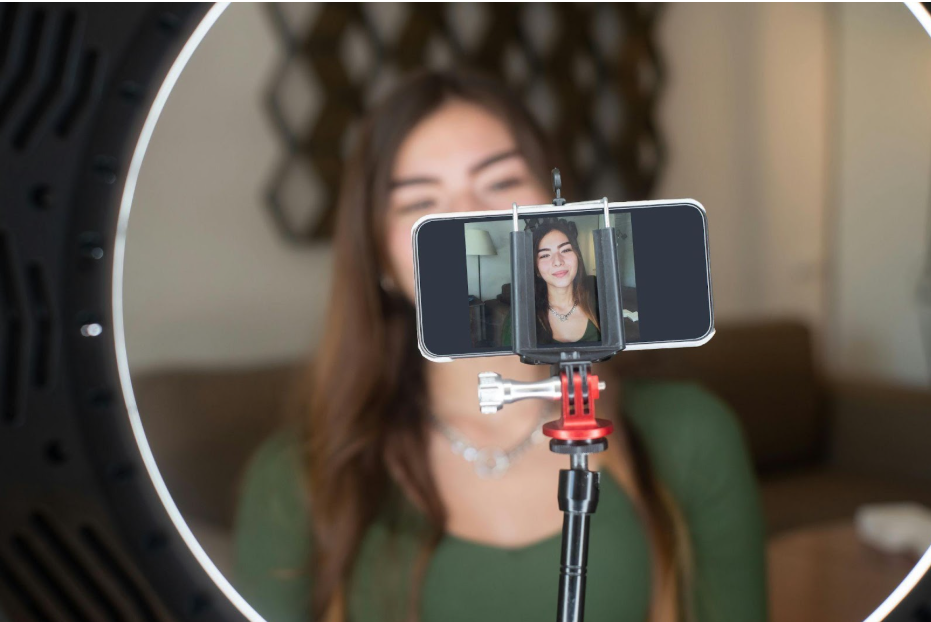
Zoom Culture and the Rise of Self-Scrutiny
Remote work and video calls created an unexpected side effect: constant self-observation. What began as a pandemic necessity led to the now-documented “Zoom Dysmorphia.”
Top concerns triggered by video calls:
- Jawline definition
- Neck laxity
- Under-eye puffiness
One of the most searched and discussed procedures during this time was rhinoplasty, particularly among individuals aiming to refine their side profile or correct nasal asymmetry. Clinics offering advanced solutions—like Rhinoplasty in Los Angeles—saw increasing online engagement as patients sought out reputable, board-certified specialists for natural-looking results.
Pro Insight:
Frame these concerns in your content as solutions, not flaws. Normalize the curiosity and present options—not pressure.
Peer Communities Now Guide Decision-Making
Reddit threads, TikTok comment sections, and closed Facebook groups have become informal forums for aesthetic discussions.
What consumers want from these communities:
- Real stories, not polished ads
- Shared recovery timelines and costs
- Honest feedback on results and regrets
Marketing Tip:
Treat user-generated content as social proof. Reposting reviews or hosting AMAs can humanize your brand while building trust.
What This Means for Business Owners and Clinics
Digital curiosity isn’t just a trend—it’s a behavioral shift. The bridge from browsing to booking is shorter than ever, but you need to meet users where they are.
Strategic responses for providers:
- Educate through keyword-driven content
- Engage through short-form, relatable video
- Empower with pricing transparency and outcome visuals
- Enhance trust with social proof and real testimonials
Final Thought: Data Doesn’t Just Show Curiosity—It Drives It
The internet is where people rehearse change before committing to it. By tracking and understanding this online behavior, we can anticipate what clients will want next—and how to serve them better.
The more we listen to what users are already signaling—through searches, scrolls, and shares—the more we can position ourselves not just as service providers, but as trusted guides in their aesthetic journey.
Trending