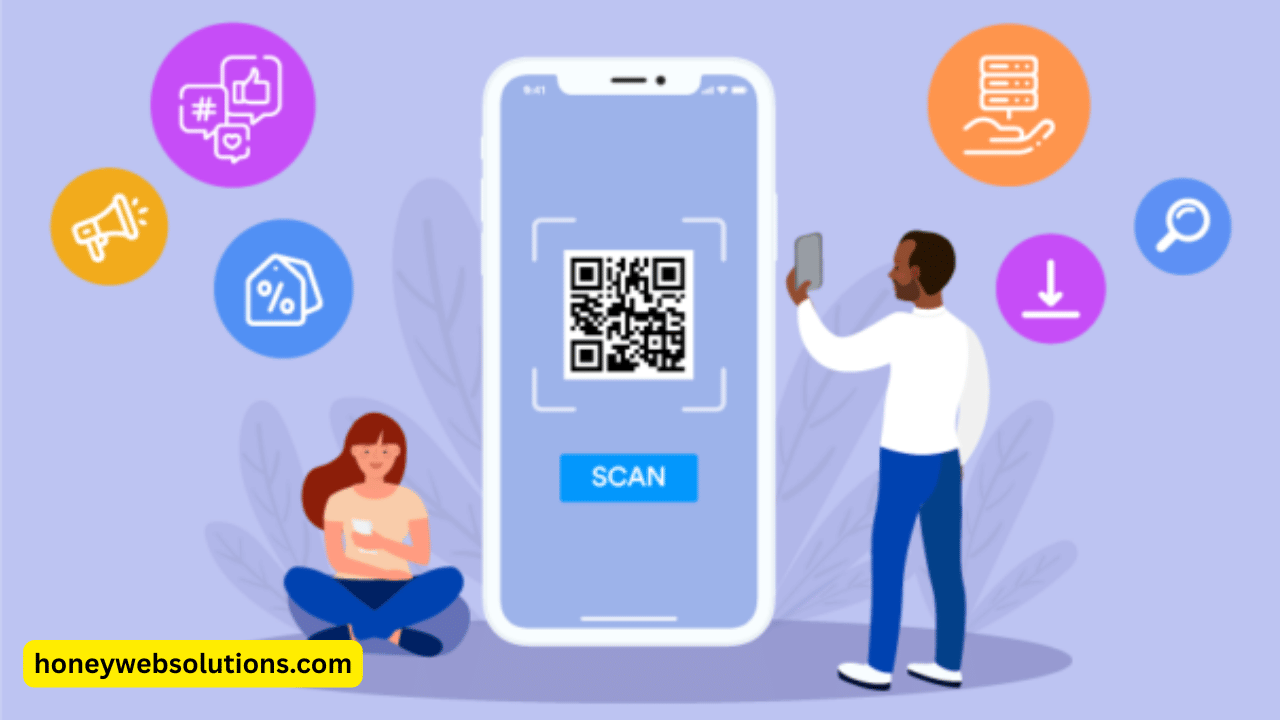
How QR Code Generators Have Revolutionized the Market?
Once seen as a niche technology, QR codes have become a mainstream powerhouse thanks to easy-to-use QR code generators.
From contactless menus to dynamic marketing campaigns, QR codes are transforming how brands connect with consumers, collect data, and simplify digital access.
But what’s really driving this transformation?
It’s not the QR code itself, it’s the technology behind generating and managing them.
Let’s dive into how QR code generators have revolutionized the market across industries.
What Are QR Codes and Why Are They Relevant?
Table of Contents
QR codes (Quick Response codes) are 2D barcodes that store data like URLs, text, or multimedia triggers.
Invented in Japan in the 1990s by Denso Wave, they were originally designed for tracking automotive components. Fast forward to today they’re used across industries to enable seamless:
- Mobile access to content
- Real-time tracking and engagement
- Offline-to-online integrations
Unlike traditional barcodes, QR codes can hold significantly more data and can be scanned from multiple angles, even if damaged or partially obscured.
With over 6 billion smartphone users worldwide, QR codes have become the default digital interface for real-world interactions.
The Post-Pandemic Surge
While QR codes had seen steady growth in Asia and parts of Europe, it was the COVID-19 pandemic that truly pushed them into mainstream adoption globally:
- Retailers replaced printed catalogs with QR-led mobile experiences
- Restaurants adopted contactless menus and payment systems
- Governments used QR codes for contact tracing, vaccine certificates, and public info
What followed was a global behavioral shift people of all ages learned to trust and use QR codes regularly. This paved the way for businesses, including Ecommerce Development Companies, to adopt QR code generators en masse as part of their digital toolkit.
1. Accessibility at Scale
Modern QR code generators have made it incredibly easy for anyone from solopreneurs to Fortune 500 companies to create and deploy QR codes. What once required design tools and development expertise can now be done in seconds:
- Generate custom QR codes with logos and brand colors
- Support for URL, PDFs, images, contact cards, and more
- No-code platforms make it plug-and-play for marketers
This has democratized QR technology and fueled widespread adoption.
2. Dynamic QR Codes = Smarter Marketing
Static QR codes were limiting. Enter dynamic QR codes, a game changer.
- Editable after printing (you can change the destination)
- Trackable scans with real-time analytics
- A/B testing possibilities through redirection rules
Businesses now use The QR Code Generators as part of their data-driven marketing stack.
These tools do far more than just generate scannable codes; they offer powerful features like real-time analytics, campaign segmentation, and integration with CRMs or marketing automation platforms.
With dynamic QR codes, marketers can A/B test landing pages, retarget users based on scan behavior, and even update destinations without reprinting materials.
This level of flexibility turns QR code generators into smart engagement engines, not just utilities.
3. Business Use Cases Have Exploded
QR codes are now a staple across industries all made possible by flexible QR code generators:
| Industry | Use Case |
| Retail | Product info, in-store promos, digital receipts |
| Restaurants | Contactless menus, feedback forms, payment links |
| Events | Ticketing, check-ins, contact exchange |
| Real Estate | Property listings, video tours, booking links |
| Education | eLearning access, surveys, assignment uploads |
These tools enable small and large businesses alike to integrate QR codes into customer journeys.
4. Enhanced Security & Compliance
With data privacy laws like GDPR, modern QR code generators now offer:
- Password-protected QR codes
- Data encryption
- Expiration settings for time-bound campaigns
- Consent-based tracking
This ensures that QR code usage is not only effective but also compliant.
5. Branding & Personalization
QR codes aren’t just black-and-white squares anymore. Generators today allow:
- Branded colors and logos
- Frame text like “Scan to Order” or “Get the App”
- Custom shapes and call-to-action overlays
This personalization boosts engagement rates and aligns with brand identity.
6. Built-in Analytics & Insights
Advanced QR platforms provide robust tracking:
- Total scans, time of scan, device type, and location
- Integration with tools like Google Analytics or HubSpot
- Insight into offline-to-online customer behavior
This data is invaluable for campaign optimization and ROI measurement.
7. Global Adoption Fueled by COVID-19
The pandemic accelerated QR code adoption globally:
- Governments used them for contact tracing
- Restaurants eliminated physical menus
- Healthcare used them for vaccination verification
QR code generators became critical tools during the crisis and their value stuck.
The Future: Smart QR Experiences
Looking ahead, we’ll see:
- AR experiences via QR
- Smart packaging with embedded digital journeys
- API-powered QR code automation for SaaS platforms
The future of QR codes isn’t static. It’s interactive, dynamic, and highly intelligent.
Conclusion
QR code generators have done more than simplify how we create codes; they’ve transformed how businesses interact with customers in the physical and digital world.
Whether it’s a retail campaign or a university enrollment process, the humble QR code powered by smart tools is now a major digital gateway.
If you’re not using a modern QR code generator yet, you’re missing out on one of the most versatile and cost-effective tools in today’s tech stack.